Vintage Baking Junk Journal Backgrounds: A Sweet Retreat for Creatives
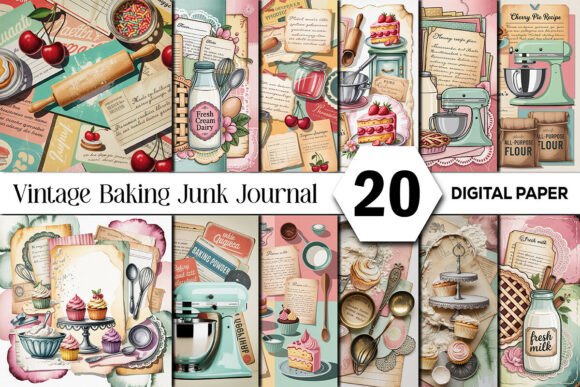
There's a distinct warmth that comes with the smell of vanilla extract and the sight of a well-loved recipe card. Vintage Baking Junk Journal Backgrounds capture that exact sentimentality, translating the cozy aesthetic of a retro kitchen into a versatile digital design asset. This collection isn't just a set of images; it is a curated mood board featuring retro mixers, delicate cakes, handwritten recipes, and soft pastel textures. For the creative professional, these backgrounds offer a bridge between nostalgic charm and modern functionality, providing a foundation that feels both personal and polished.
The Visual Language of Nostalgia
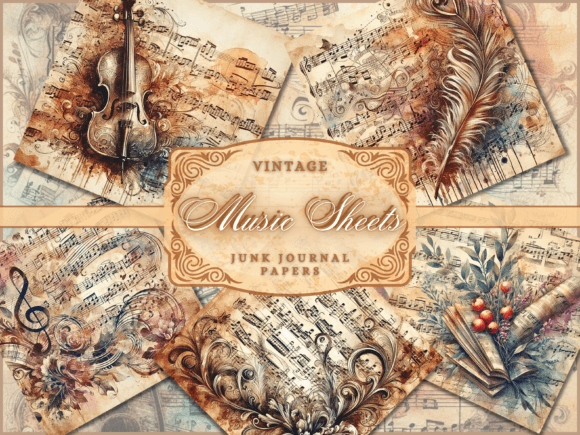
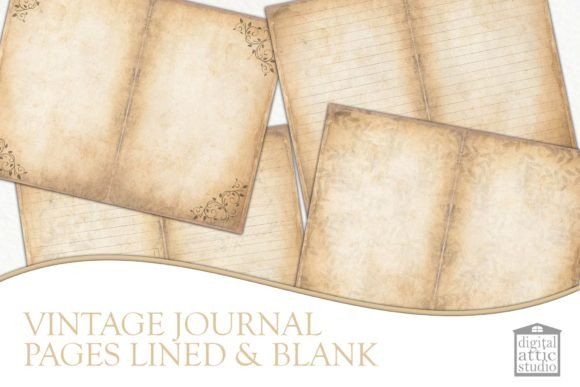
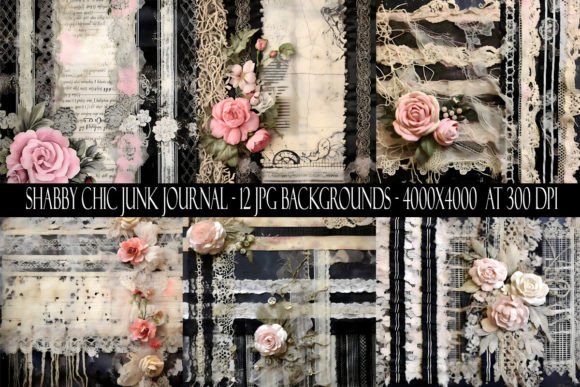
When you first open these files, you immediately notice the texture. Unlike generic stock photos, these backgrounds possess a tactile quality—faint paper grain, subtle coffee stains, and soft, sun-bleached color palettes. The visual personality is "shabby chic" meets mid-century modern. You will find illustrations of vintage stand mixers alongside elegant typography and floral motifs. The color theory here is intentional: soft creams, muted pinks, sage greens, and warm browns dominate, creating a soothing visual hierarchy that doesn't compete with foreground content.
This aesthetic is a powerful tool in modern typography and layout design. In a digital landscape often dominated by stark minimalism and high-contrast neons, these junk journal backgrounds offer a softer visual anchor. They provide a sense of history and authenticity. For a designer, this means you don't need to over-complicate your layout. The background does the heavy lifting of setting the atmosphere, allowing you to place text or focal images with confidence. It’s a premium font equivalent for background imagery—something that elevates the perceived value of the entire project.
Strategic Applications for Design and Branding
Understanding where to deploy these backgrounds is key to maximizing their impact. While they are obvious choices for scrapbooking and physical journaling, their utility extends far into professional brand identity and marketing.
- Editorial Design & Publishing: For food bloggers, cookbook authors, or indie magazine creators, these backgrounds serve as excellent chapter dividers or page textures. They add depth to editorial design without making the text unreadable. Imagine a recipe layout where the ingredients list sits atop a faint, textured kitchen ledger—it instantly makes the content feel more approachable and "tested."
- Packaging Design: Artisan bakers and small-batch food producers can use these textures for packaging design. Wrapping paper, box liners, or sticker backings featuring these retro elements can differentiate a product on the shelf. It signals "homemade" and "quality" before the customer even tastes the product.
- Social Media Graphics: Content creators on Instagram or Pinterest can use the 12x12 inch files as base layers for quote cards or promotional posts. The pastel aesthetics are highly engaging on mobile screens, often resulting in higher save rates due to their visual appeal.
- Digital Products: If you sell planners, digital stickers, or printable art on platforms like Etsy, these backgrounds are a foundational asset. They allow you to create cohesive collections quickly. Because they are commercial use friendly, you can incorporate them into end-products that you sell, provided you aren't reselling the raw files themselves.
Technical Specifications and Workflow Integration
From a technical standpoint, the utility of Vintage Baking Junk Journal Backgrounds lies in their resolution and format. At 300 DPI and 3600x3600 pixels, these files are print-ready. This is a critical distinction. Many "free" resources found online are low-resolution 72 DPI web images that pixelate the moment you try to print them. These high-resolution assets ensure that whether you are printing a large 12x12 scrapbook page or a small business card, the edges remain crisp and the textures remain rich.
The JPG format ensures broad compatibility across all major design software, including Adobe Photoshop, Illustrator, Canva, and Procreate. For the busy entrepreneur or content creator, this means no conversion headaches. You can drag, drop, and start designing immediately. This efficiency is vital when managing tight deadlines for social media graphics or client deliverables.
Pairing and Composition: Making the Design Work
One of the most common challenges with decorative backgrounds is ensuring legibility. A background should support the message, not swallow it. When working with the Vintage Baking Junk Journal collection, consider the visual weight of your foreground elements.
Because these backgrounds often feature busy patterns (like recipe text or floral arrangements), they pair best with clean, structural typography. A bold sans serif font can provide a modern counterpoint to the vintage texture, ensuring your headlines pop. Alternatively, a flowing script font can amplify the romantic, handwritten feel, but should be used sparingly for headers rather than body copy to maintain readability.
A practical tip for graphic design professionals is to use these backgrounds within frames or masks. Instead of covering the entire canvas, place the vintage texture inside a shape or behind a semi-transparent overlay. This technique allows you to showcase the beautiful details of the retro mixers or cakes without overwhelming the viewer's eye. It creates a focal point and establishes a clear visual hierarchy.
Elevating Your Creative Projects
Ultimately, the value of a design asset is measured by its versatility and the emotion it evokes. Vintage Baking Junk Journal Backgrounds offer a rare combination of high technical quality and deep emotional resonance. They appeal to a wide demographic—from the hobbyist creating a family recipe book to the professional designer building a brand identity for a boutique patisserie.
By incorporating these textures into your workflow, you are doing more than just decorating a page. You are invoking a feeling of comfort, tradition, and warmth. In a fast-paced digital world, that sense of coziness is a powerful design tool that keeps audiences engaged and connected to your work.