Unlock Professional Publishing with Magazine Template – Nature
When you pick up a magazine, the tactile quality of the paper and the crispness of the layout often tell you everything you need to know about its quality before you even read a word. For creators, publishers, and entrepreneurs, achieving that professional standard often feels like a steep climb. You need Magazine Template – Nature. This isn't just a collection of pages; it is a meticulously crafted Adobe InDesign solution designed to bridge the gap between a raw idea and a polished, print-ready publication. Whether you are compiling a seasonal catalog, a niche journal, or a compelling corporate report, this template provides the structural backbone that allows your content to shine.
Aesthetic Appeal and Visual Structure
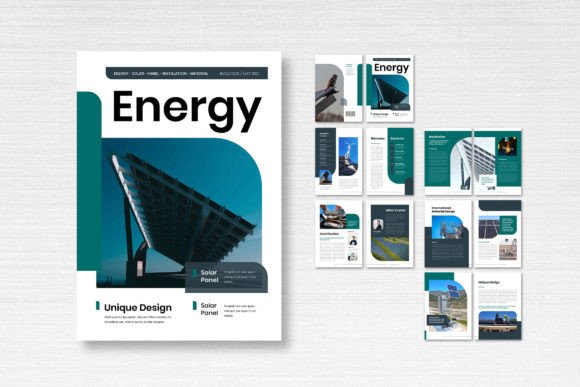
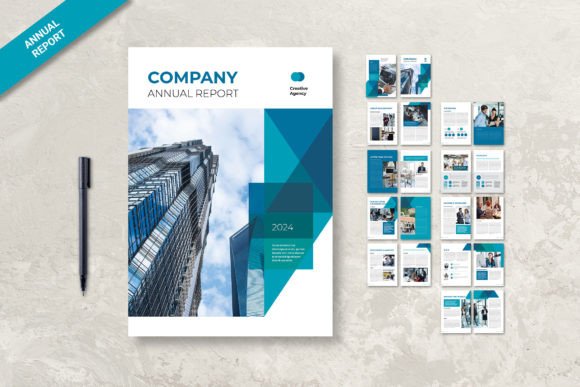
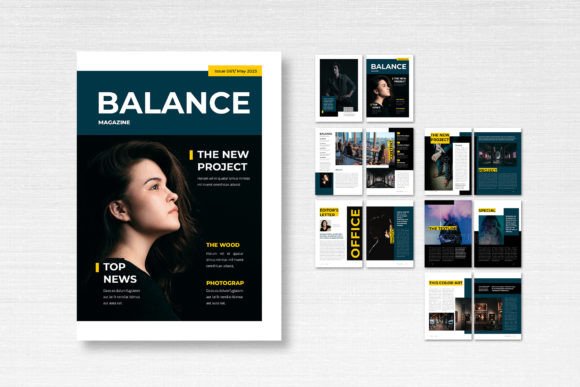
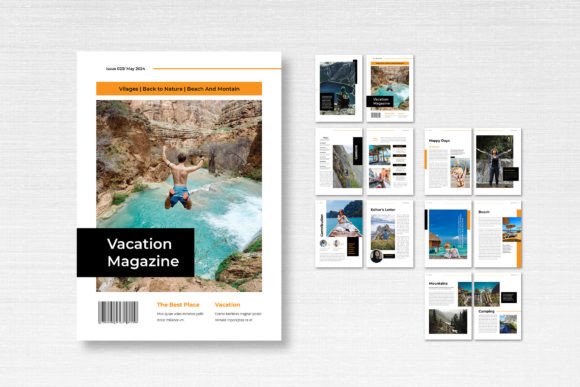
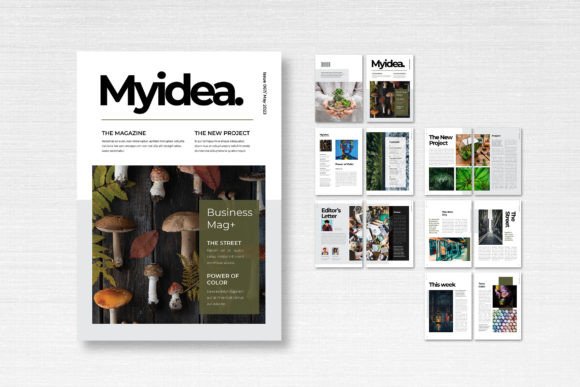
The "Nature" in the title is not merely a label; it defines the visual personality of the entire design. The layout leans into a clean, organic aesthetic that feels both fresh and timeless. It avoids the cluttered, over-designed look that plagues many generic templates. Instead, it embraces whitespace and clear visual hierarchy, guiding the reader's eye naturally from headlines to body text and finally to imagery. The design assets included are organized with a sophisticated neutrality, allowing them to adapt to various themes without clashing.
At its core, the template operates on a professional standard of 21cm x 29.7cm (A4), ensuring it fits standard printing presses and binders perfectly. The inclusion of a 3mm bleed and CMYK color format at 300 DPI means you won't face rejection from your print shop. These technical specifications are vital for anyone serious about editorial design. The visual style is characterized by balanced grids and modular layouts, making it easy to swap out text blocks and images without disrupting the flow of the page. It is a modern typography playground that respects the rules of print while encouraging creative freedom.
Real-World Applications for Creators and Businesses
The versatility of Magazine Template – Nature is where it truly proves its value. It is not limited to just one type of publication. For the entrepreneur, it serves as an elegant solution for product catalogs. Imagine showcasing a line of artisanal goods or high-end furniture; the clean lines of this template ensure the product remains the hero, supported by crisp descriptions and organized specs.
For the hobbyist or community leader, this template transforms into a beautiful newsletter or club journal. It handles long-form content gracefully, making it ideal for storytelling or interviews. Here is where the font choices become critical. While the template structure is rigid, the content is fluid. You might pair a strong serif font for your headlines to evoke authority and tradition, while utilizing a clean sans serif font for the body text to ensure maximum readability. This interplay of typefaces helps in establishing a distinct brand identity that resonates with your specific audience.
Furthermore, the template is an asset for digital creators looking to expand into print. Content creators and bloggers can repurpose their best web articles into a downloadable PDF lead magnet or a limited-edition print run. The neatly organized layers within the InDesign file allow you to isolate elements, meaning you can easily extract graphics or layout ideas for social media graphics, maintaining a consistent look across your digital and physical presence.
Customization and Typography Strategy
Working with Magazine Template – Nature in Adobe InDesign is a streamlined experience thanks to its smart layers and organized structure. However, to truly make the template your own, you need a strategy for your typography. The template uses free fonts (available via DaFont or Google Fonts), which is a massive advantage for small business owners watching their budget. You get the look of a premium font without the licensing headaches.
When customizing, consider the mood you want to set. If you are designing a wellness journal, you might introduce a soft script font or handwritten font for pull quotes to add a personal, human touch. Conversely, if you are creating a tech-focused report, sticking to a geometric sans serif font throughout will reinforce a sense of innovation and efficiency.
Readability is paramount. The template’s layout is designed with web design and print legibility in mind, but your font choices must support this. Avoid overly decorative fonts for body copy. Instead, use them sparingly for headers or logos. Think of the template as a stage and your typography as the actors; they need to be cast in the right roles to tell the story effectively. By evaluating the fit of your chosen typeface against the template's grid, you ensure that the final product looks cohesive and professional.
Streamlining Your Production Process
One of the biggest hurdles in publishing is the production timeline. Starting from scratch means hours spent on margins, columns, and master pages. Magazine Template – Nature eliminates this bottleneck. By providing a 14-page structure, including front and back covers, it gives you a complete framework to start filling with content immediately.
This efficiency is crucial for small businesses and independent publishers who need to get their message to market quickly. Whether you are launching a seasonal catalog or a quarterly update, the ability to edit and customize rapidly is a competitive edge. The template acts as a reliable design asset, ensuring that every issue maintains a consistent standard of quality. It allows you to focus on what matters most—your content and your audience—rather than getting bogged down in the technicalities of layout design.
Ultimately, Magazine Template – Nature is more than just a file; it is a tool for empowerment. It democratizes high-end design, giving anyone with Adobe InDesign the ability to produce print materials that look like they came from a professional agency. By combining this robust structure with thoughtful font pairing and strategic content placement, you can elevate your brand's presence and engage your readers on a deeper level.